Stabilization And Rehabilitation
Protecting critical infrastructure. Extending service life. Restoring public trust.
BENEFITS OF WAVE MODELING
Accuracy: Ensures that marine and coastal infrastructure designs account for site-specific wave conditions and proper loading, reducing the risk of failure.
Compliance: Provides insight into the impacts of near-shore structures for use in regulatory compliance.
Validation: Confirms that the proposed design has the intended impacts on the local environment and ecosystem.
Resilience: Improves durability of seawalls, revetments, breakwaters, and waterfront infrastructure exposed to storm surge and vessel wakes.
COMMON APPLICATIONS OF WAVE MODELING
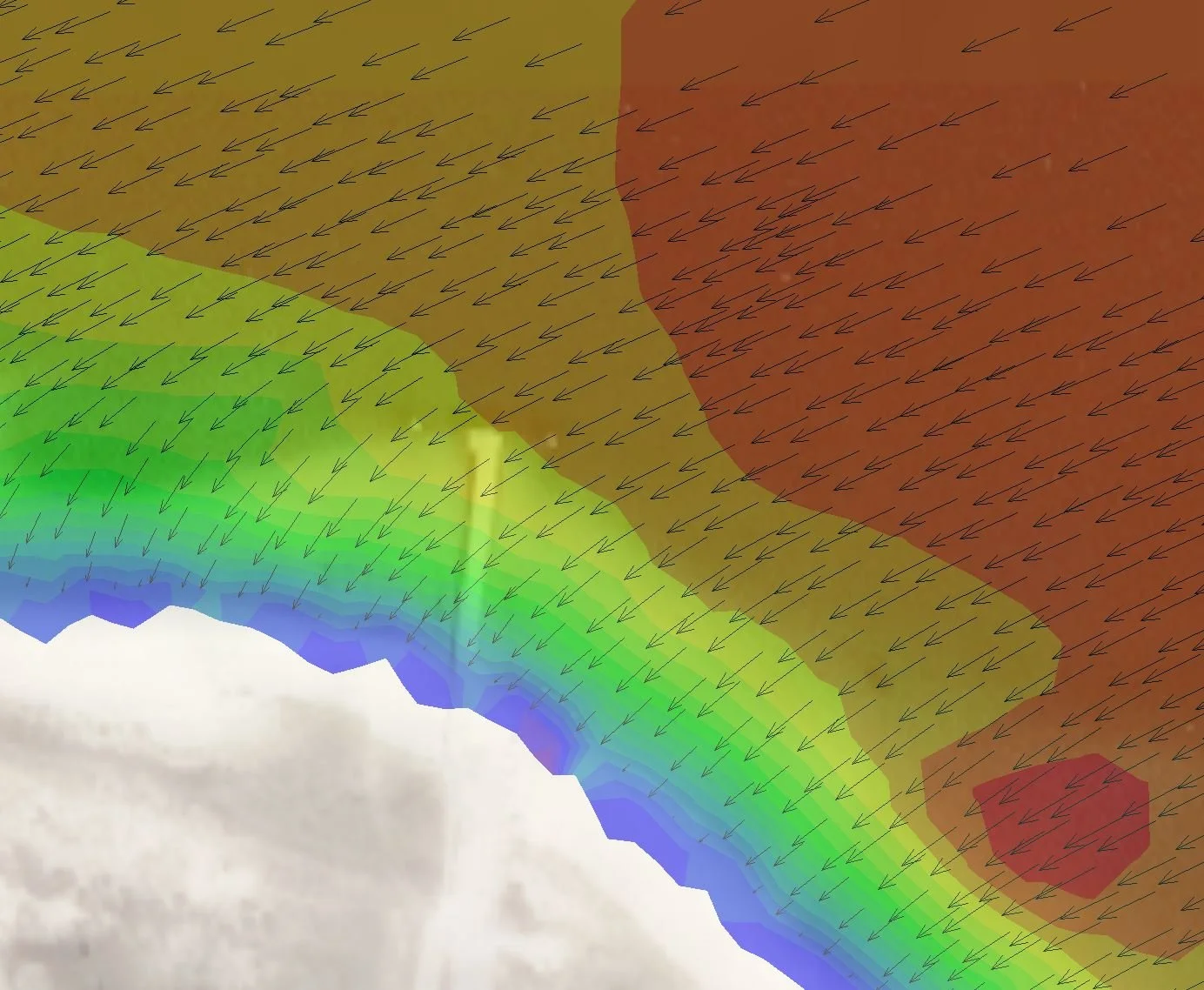
Determine wave-induced structural loads on seawalls, bulkheads, piers, and coastal structures
Seawall and shoreline protection design
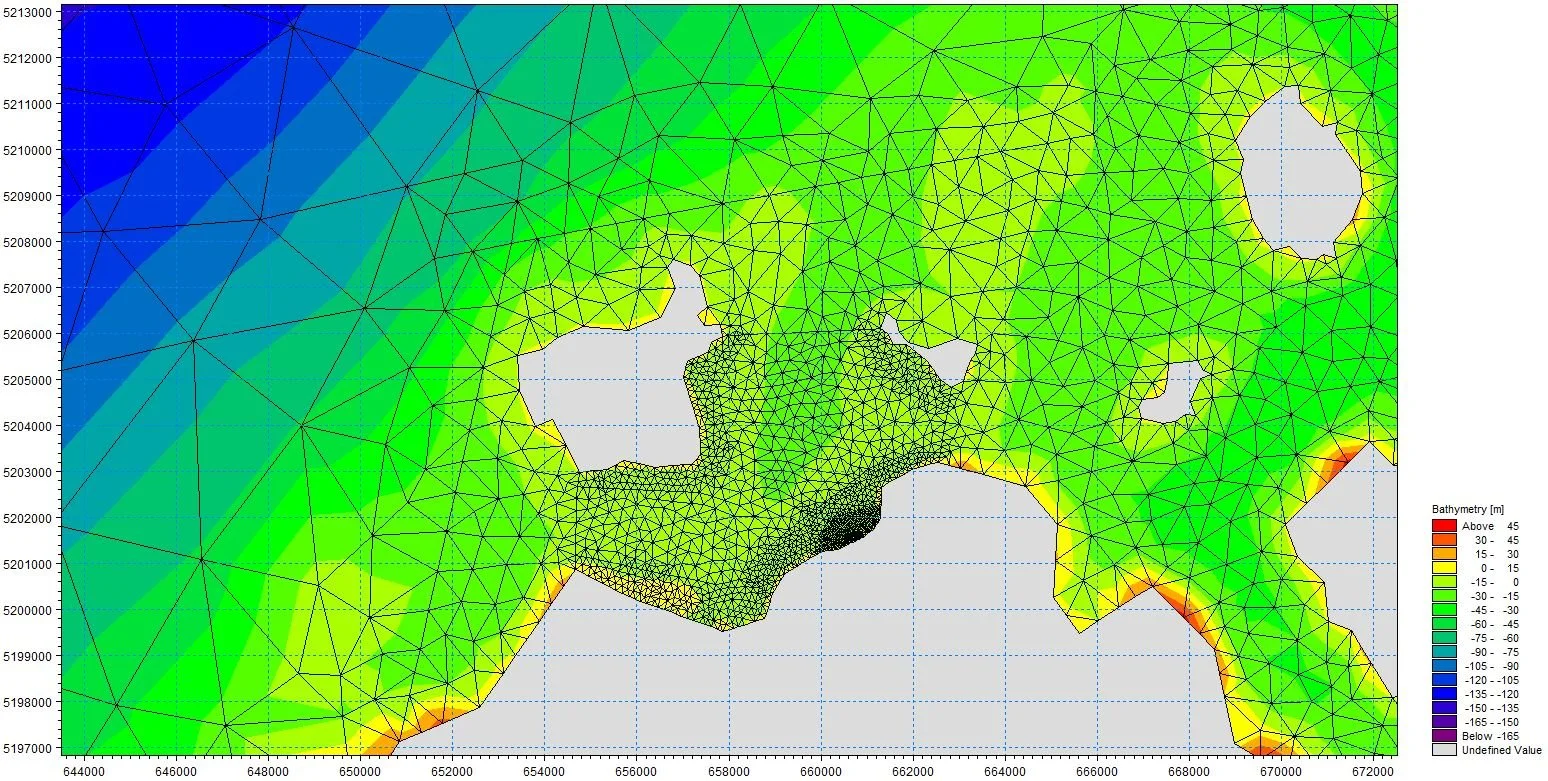
Support wave studies for coastal, bay, and estuarine environments
Validation of safe harbor requirements for recreational and commercial vessels
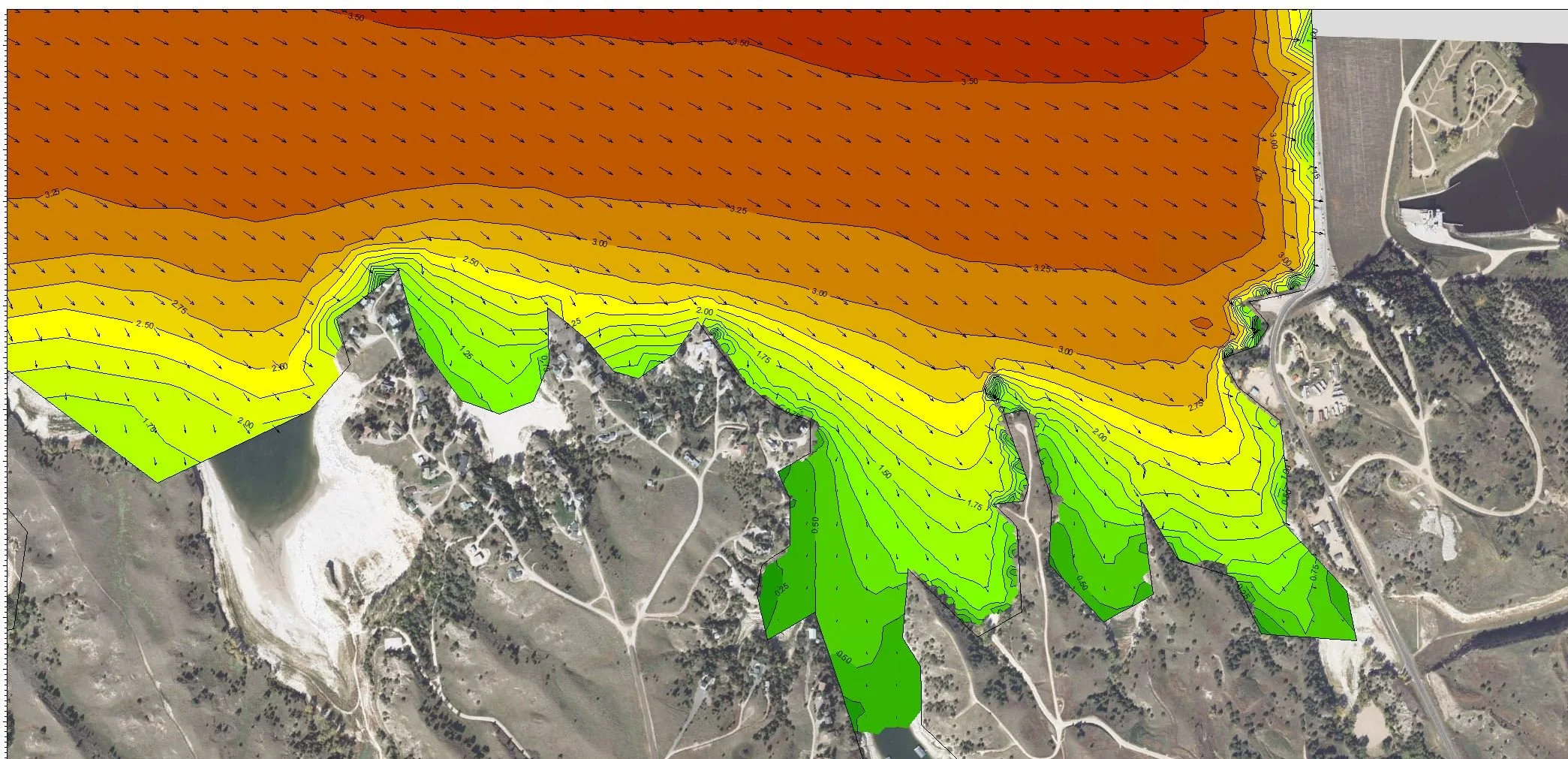
Identify areas with storm surge and coastal flooding impacts
Our team combines in-house expertise in hydrographic surveying, wave studies, coastal modeling, and marine engineering design to deliver comprehensive solutions. We help clients evaluate site-specific wave climates, optimize shoreline protection strategies, and design resilient infrastructure for ocean, bay, riverine, and lake environments—reducing cost, saving time, and improving long-term performance.