SPPA CEMSTONE DOCK
Port infrastructure improvements for bulk material transport and storage.
LOCATION
Saint Paul, Minnesota
SERVICES
Marine & Waterfront Structures
Construction Administration
Project Management
Permitting & Regulatory Coordination
Bidding & Procurement Assistance
Construction Observation & Inspection
PARTNERS
St. Paul Port Authority
J.F. Brennan Company, Inc
Ayres
EDG, Inc
AMI provided project management, permitting, bidding assistance, and construction administration services for the expansion of bulk material handling and storage facilities at Barge Terminal #1 in Saint Paul.
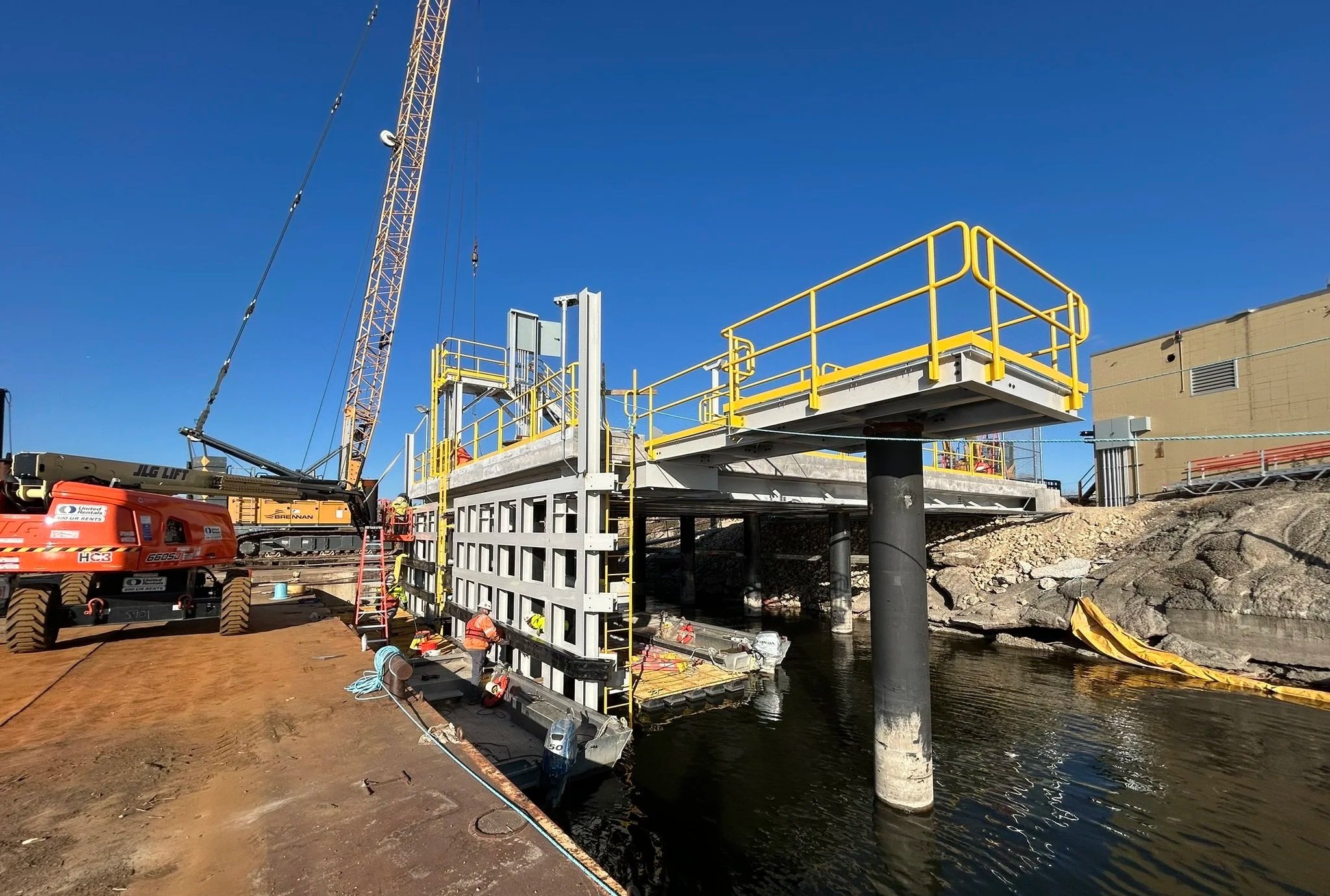
AMI supported the expansion of the Bulk Silos facility at Barge Terminal #1 in Saint Paul, Minnesota, helping increase the terminal's capacity to receive, transfer, and store cementitious materials. The project included construction of a new Barge Receiving System (BRS) and Material Storage & Transfer System (MSTS) to enhance operational efficiency and support future growth.
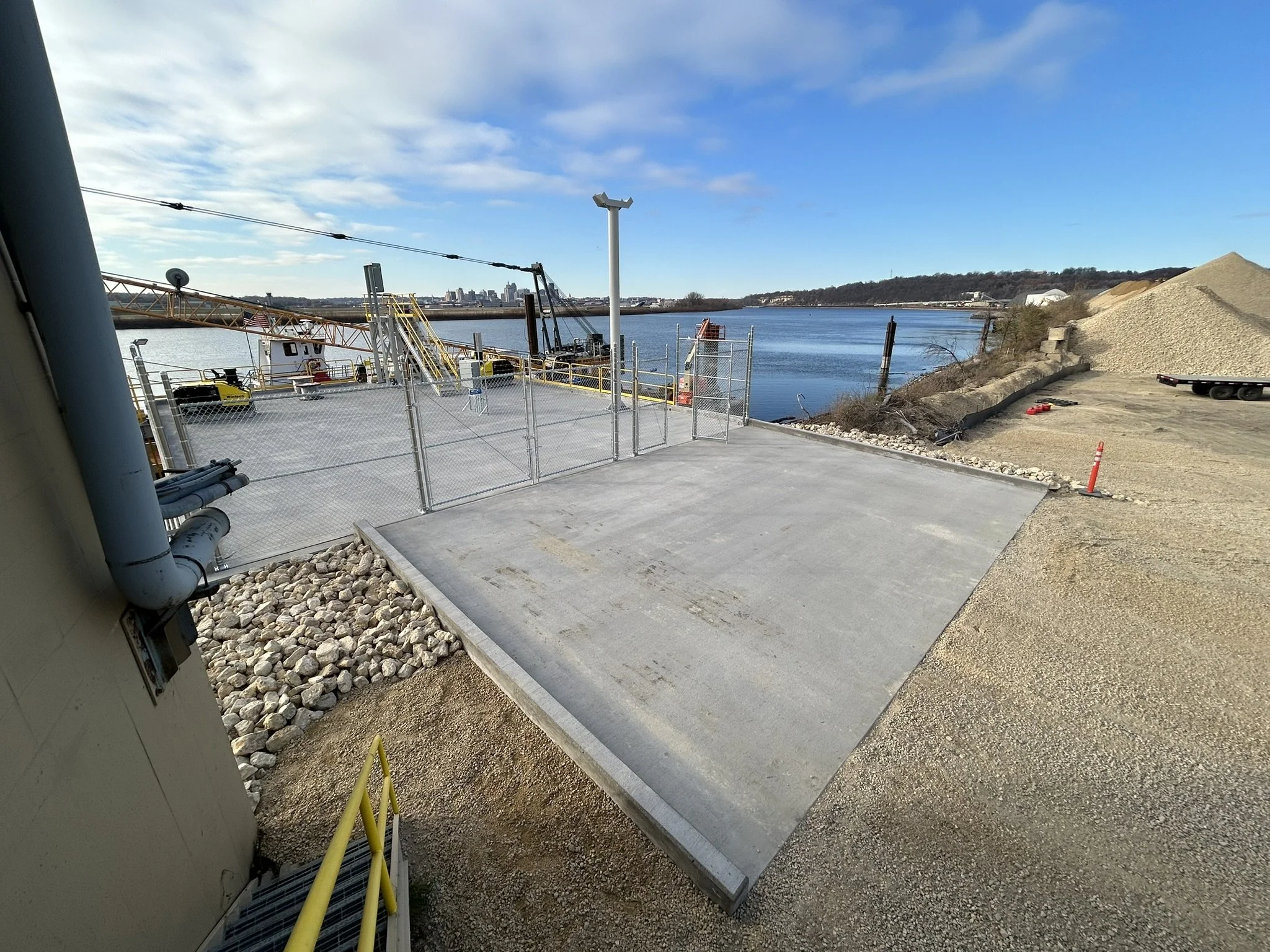
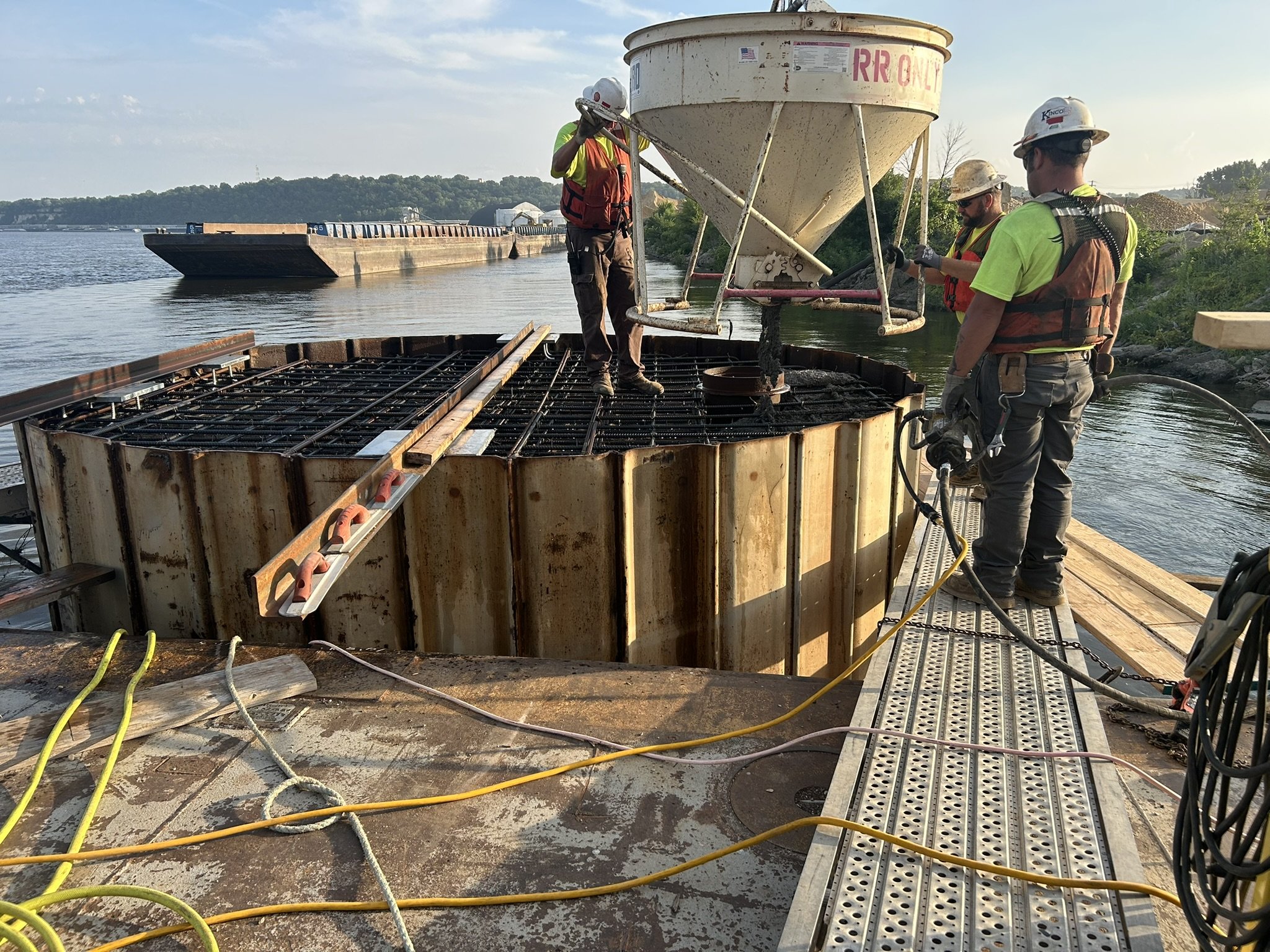
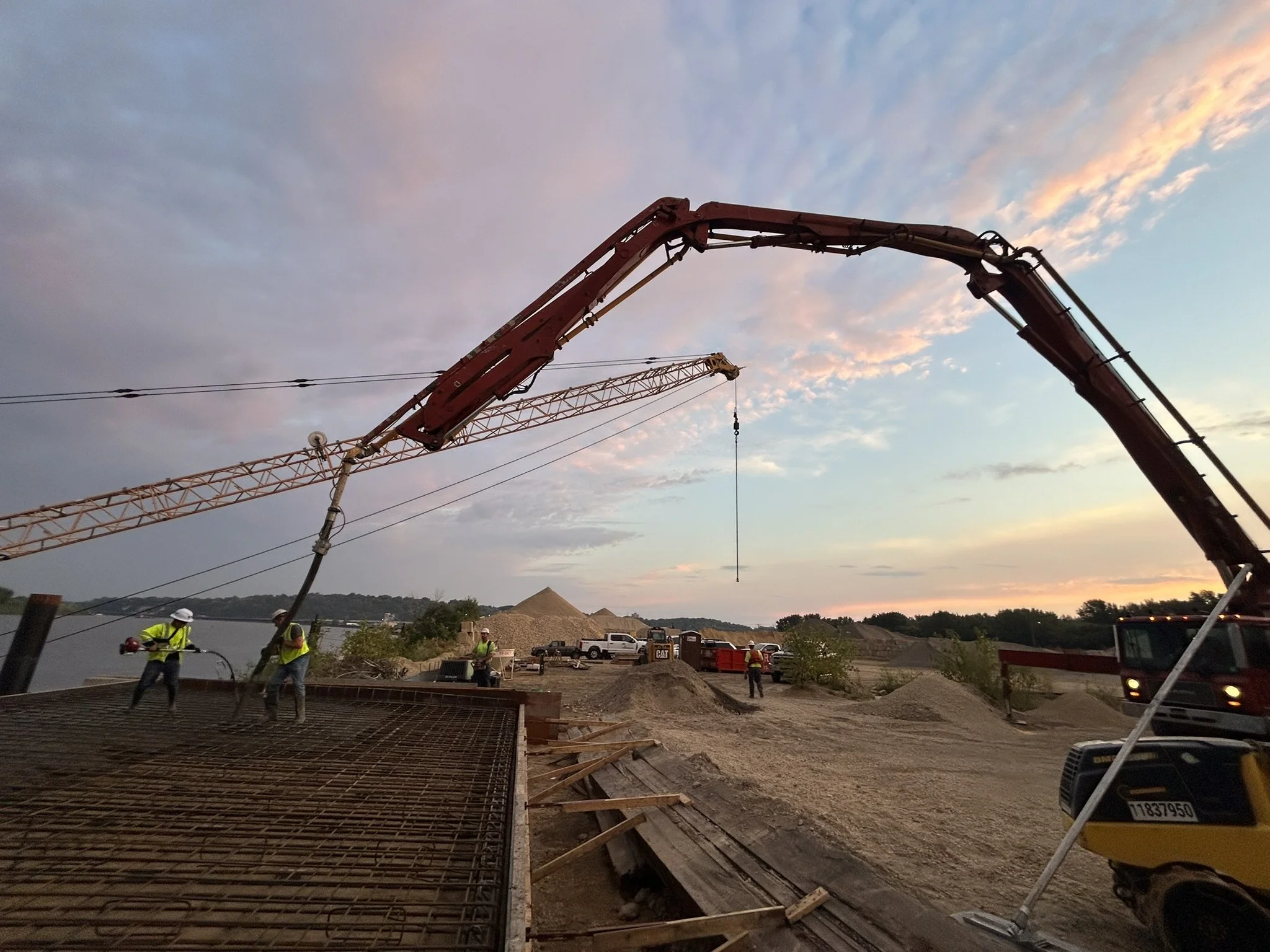
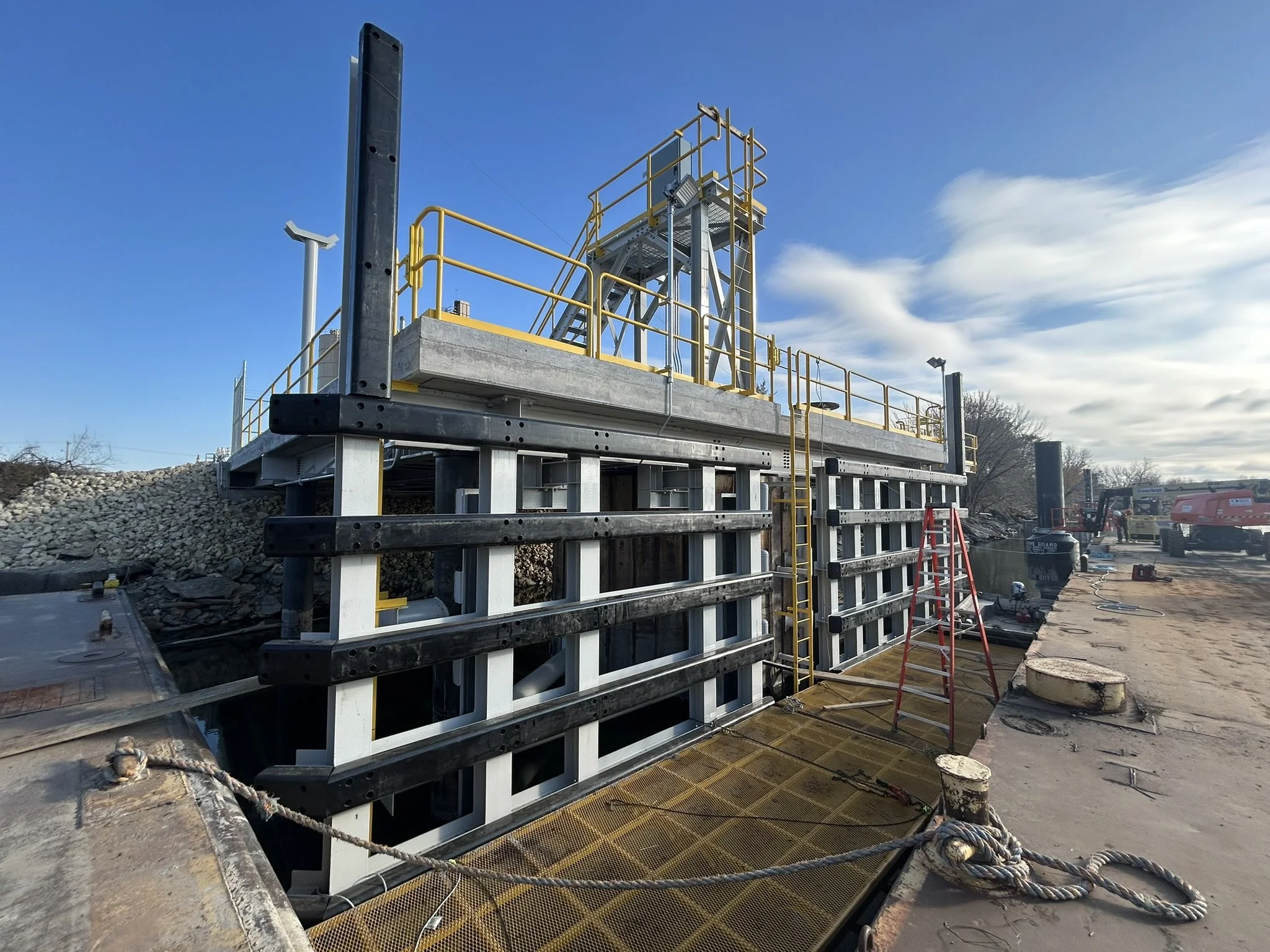
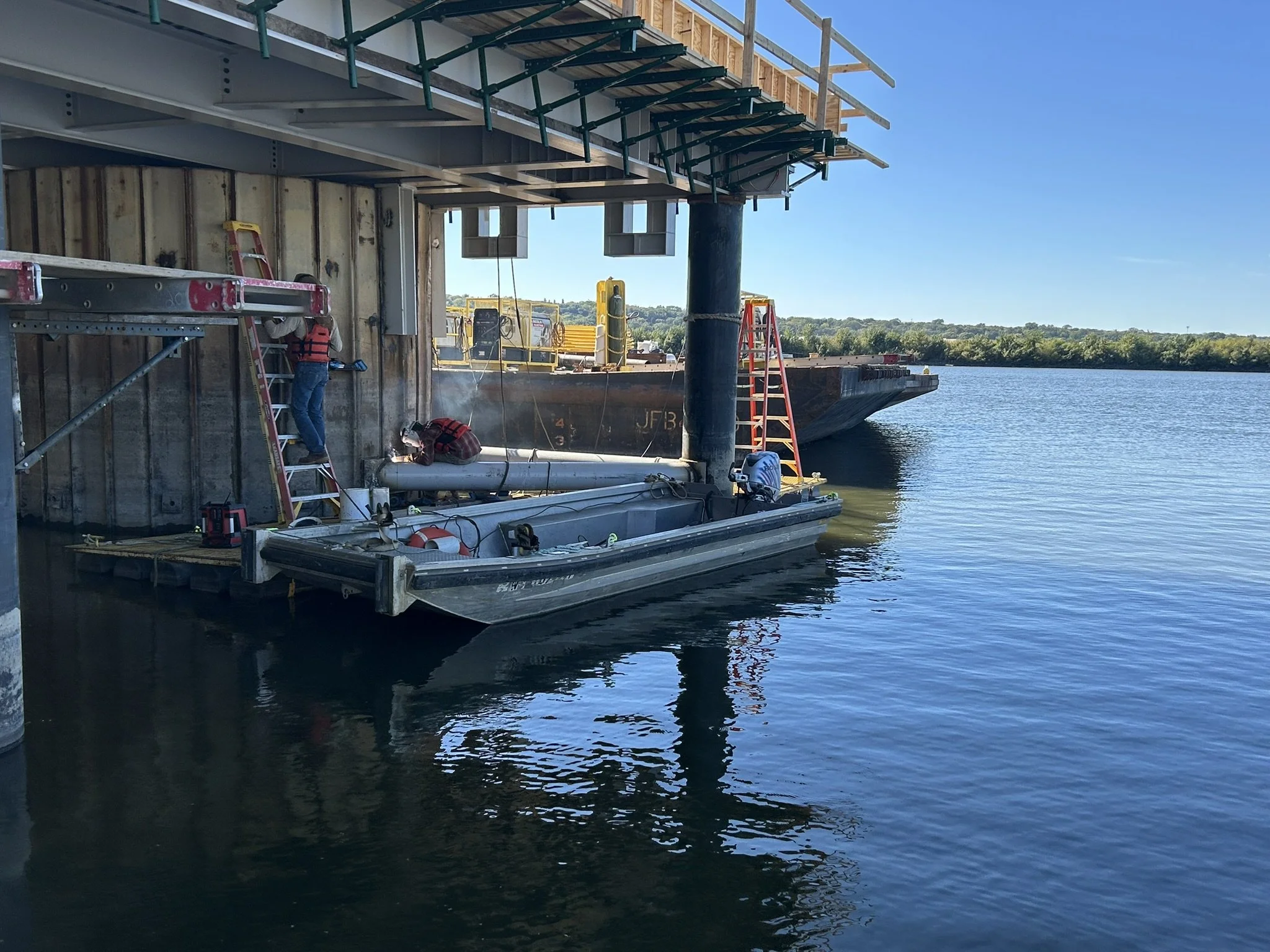
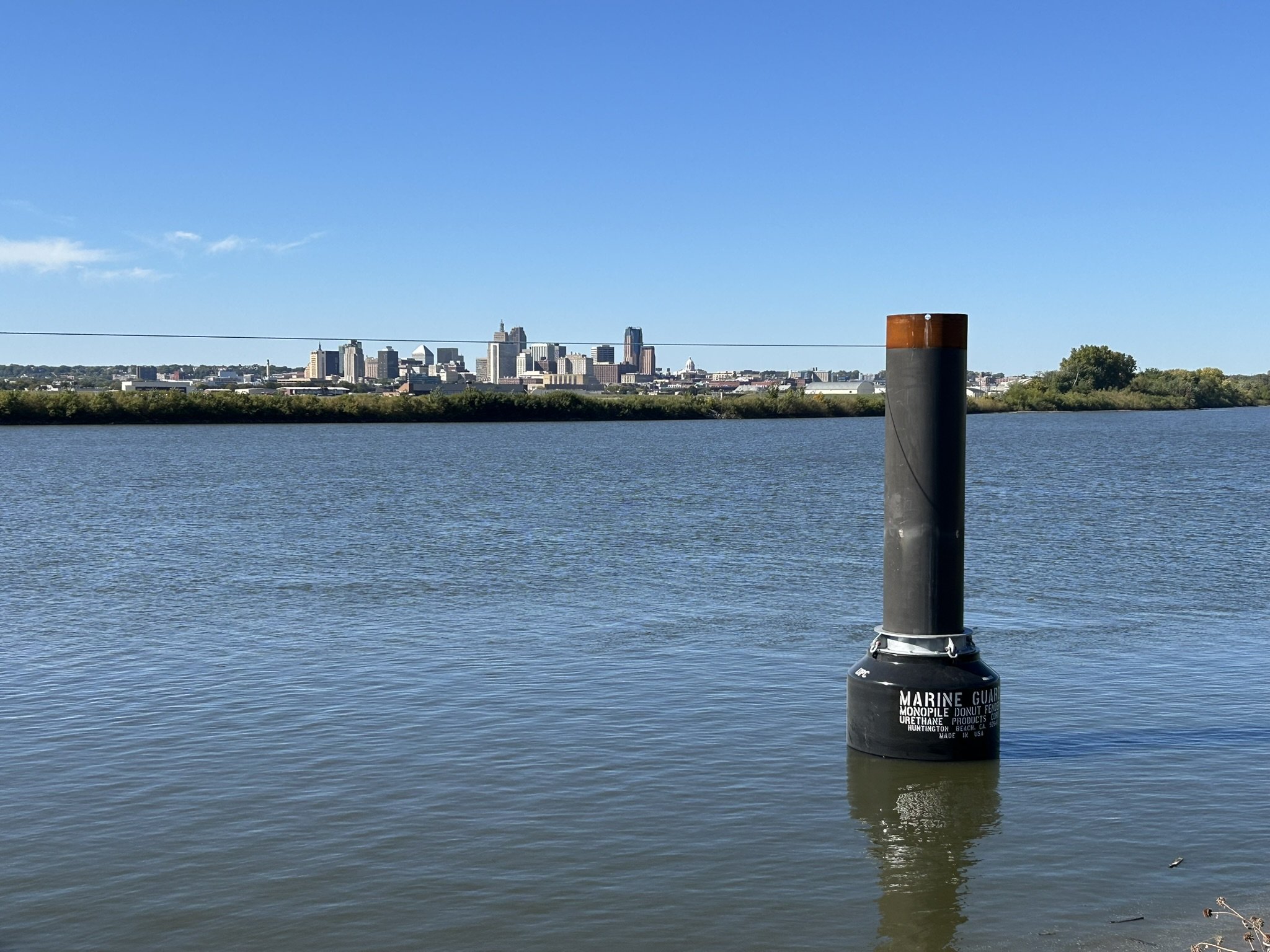
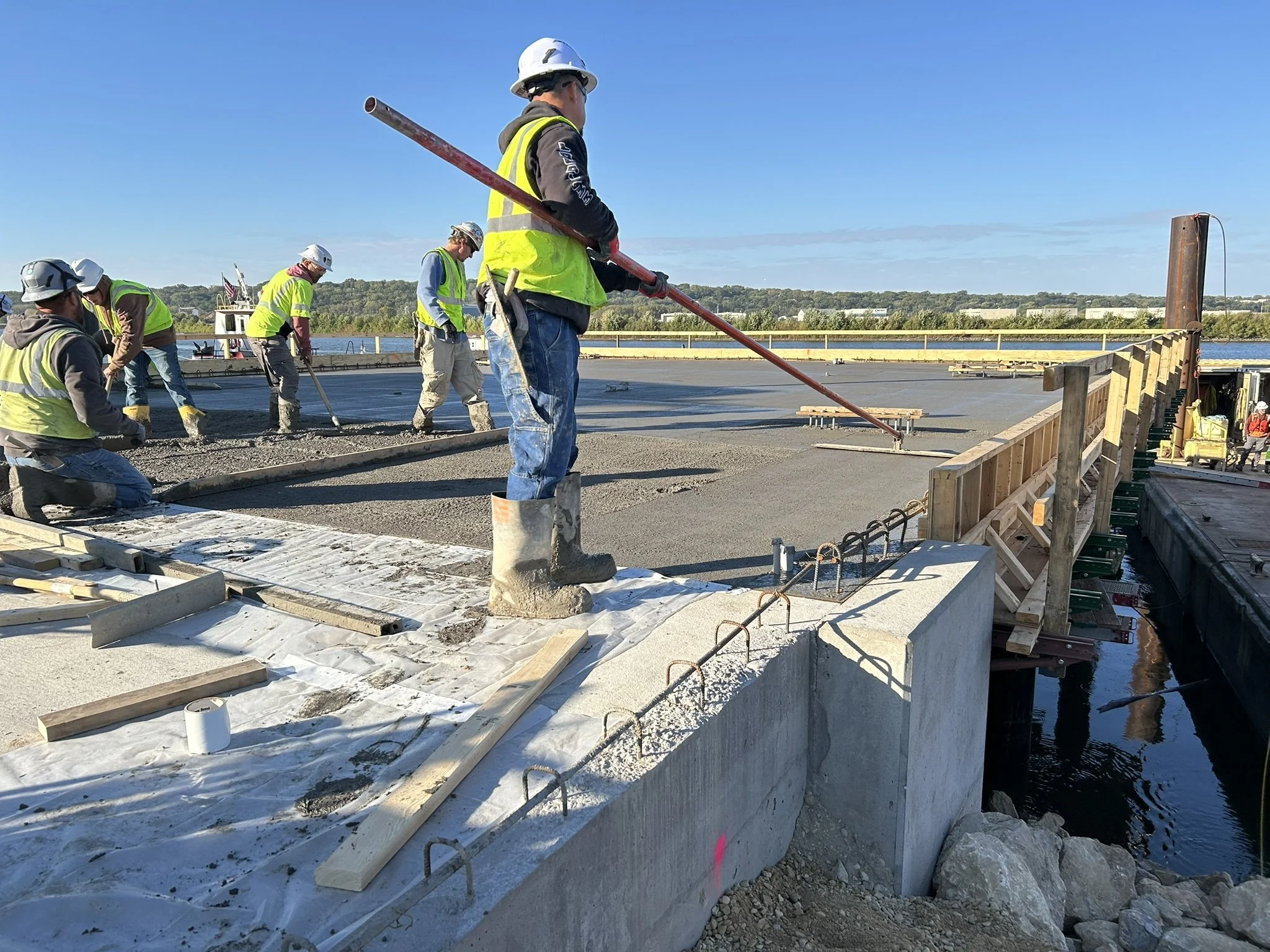
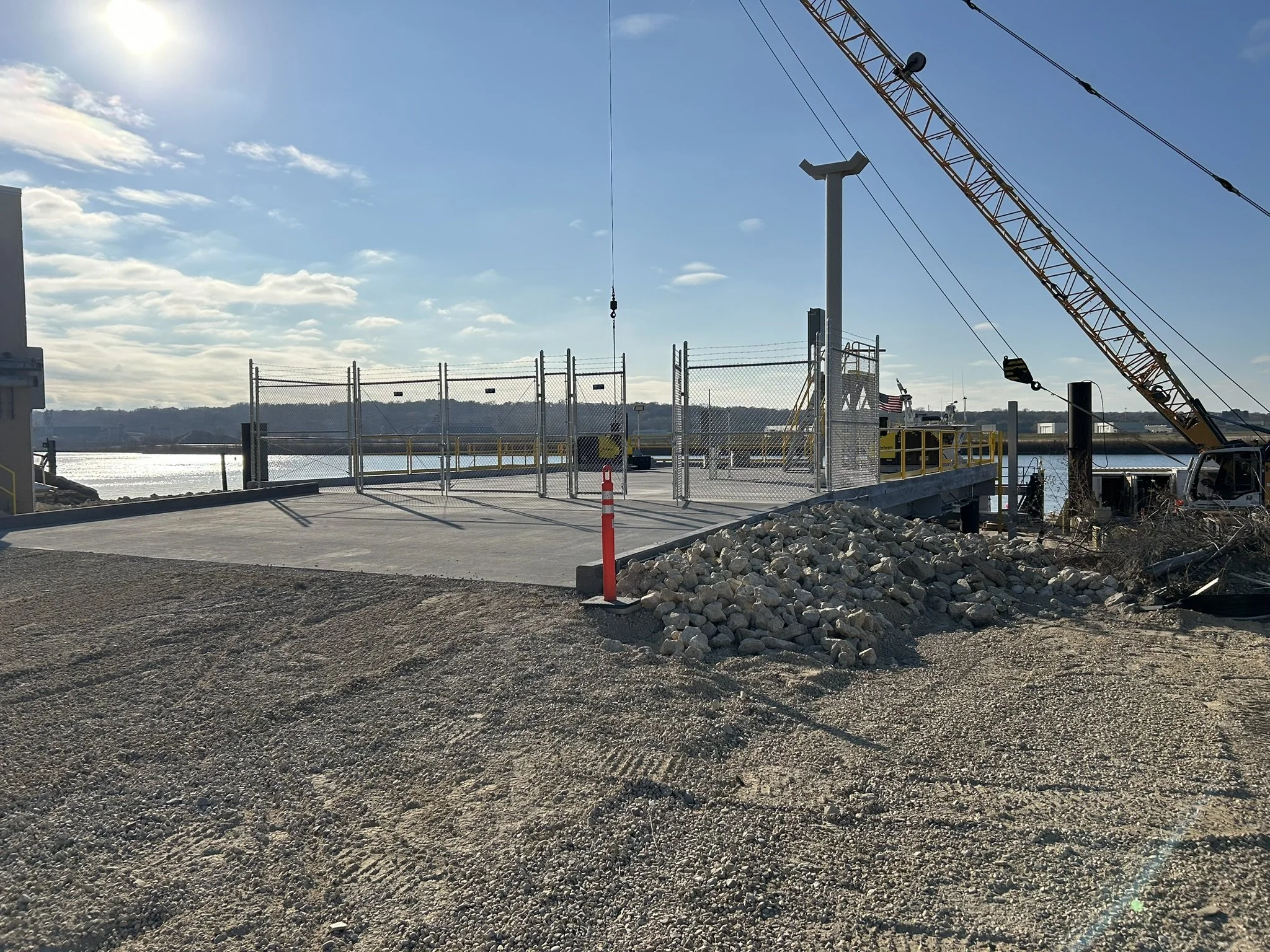
Waterfront improvements included a new pile-supported concrete dock platform, breasting dolphins, fender systems, barge pulling equipment, a dock crane, and pneumatic unloading equipment designed to receive materials from bulk hopper barges. Landside improvements included three new storage silos, material transfer systems, structural, mechanical, and electrical upgrades, and modifications to existing silo access infrastructure.
AMI worked closely with the St. Paul Port Authority, Bulk Silos, and the project team to manage permitting, procurement, and construction activities. Services included development of bid documents, construction cost information, schedules, and procurement materials required to satisfy Port Development Assistance Program (PDAP) funding requirements and public bidding procedures.
Throughout construction, AMI provided site inspections, GPS verification of waterfront improvements, submittal and RFI review, testing coordination, progress reporting, change order review, and project closeout support. The completed improvements expanded the terminal's material handling capabilities and strengthened the facility's role within the region's river-based transportation network.